

The Tampa Bay Home Buyer Guide
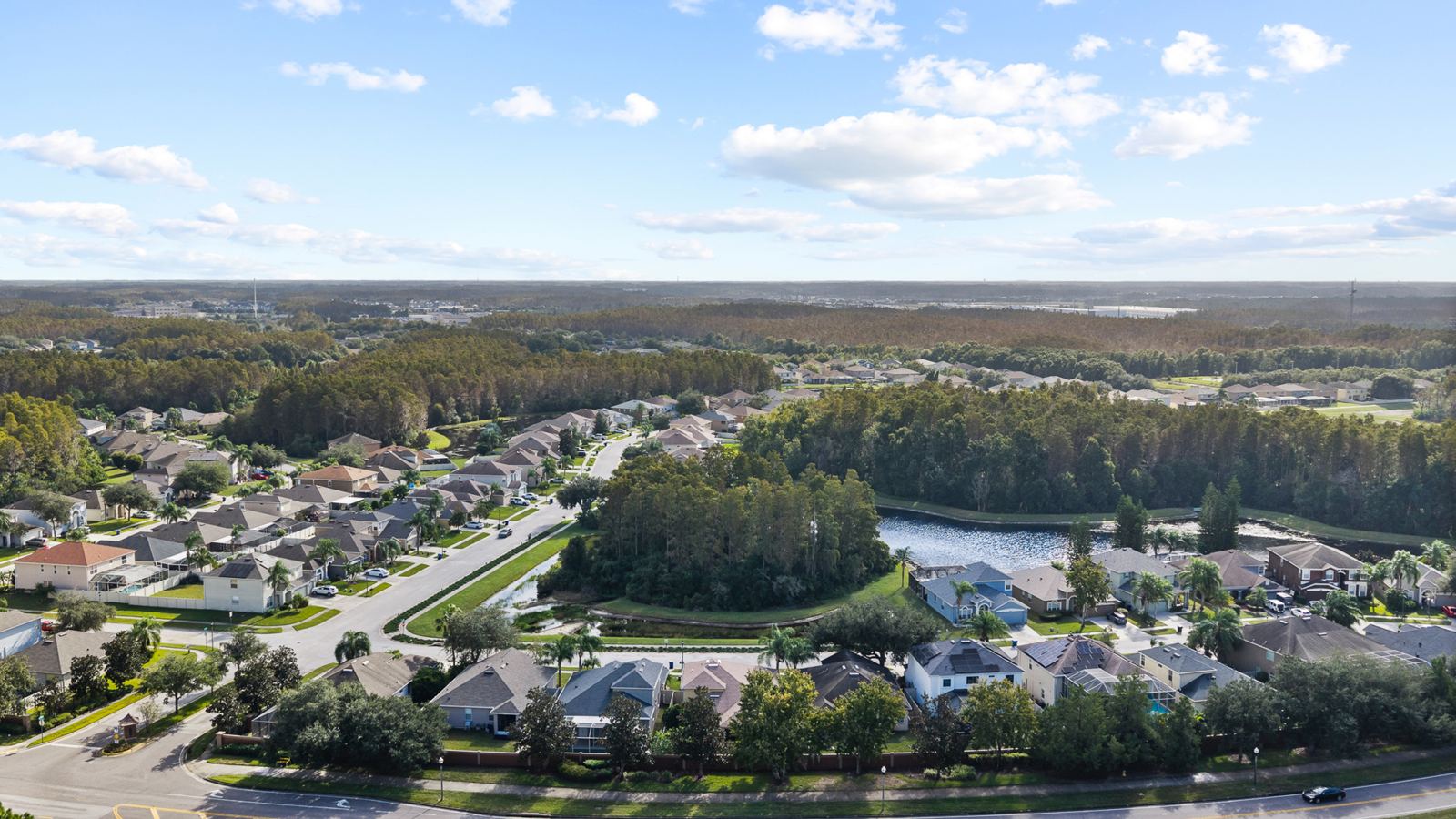
Honest conversation first. Then the game plan.
Who this is for
You want to buy a home in Hillsborough, Pasco or Pinellas County. Maybe it's your first home, maybe you're moving up, maybe you're coming from another state. This guide walks through the whole thing in plain words: what to do first, what it really costs, how to make an offer that gets accepted without overpaying, and what happens between contract and keys.
This guide is free to read. No form, no sign-up. If you want a second opinion on anything in it, call or text 352-320-4466.
The short version
- Get pre-approved before you tour. It tells you your real budget and makes your offer stronger.
- Budget for the full monthly cost, not just the mortgage. In Florida, insurance, flood insurance, HOA, CDD and property tax can change the payment a lot from one home to the next.
- Never budget off the seller's tax bill. The taxable value resets when a home sells. Ask for an estimate at your price.
- Florida's new Amendment 3 gives homeowners who live in their home a bigger tax break starting in 2027. Apply for homestead after you move in.
- In today's market, many sellers will help with closing costs or a rate buydown. Ask before you lower your price.
- Veteran, first-time, moving up or investing? See "Buying for your situation" for what to ask your lender.
- Ready to look? We start with a buyer consultation and a signed Buyer Brokerage Agreement, then we go to work for you.
Part 1. Before you look at homes
Step 1. Know your number
Your budget is a monthly payment, not a price. Before you talk to a lender, write down what you're comfortable paying each month, all in. Then let the lender tell you what that buys.
Step 2. Get pre-approved
A pre-approval means a lender has checked your income, assets and credit and will lend you a set amount. It is not the same as a pre-qualification, which is just an estimate. Sellers take pre-approved buyers more seriously, and some won't show their home without one.
What the lender will ask for: two years of W-2s or tax returns, recent pay stubs, two months of bank statements, ID, and permission to pull your credit.
Shop at least two lenders. Rates and fees vary. Compare the Loan Estimate forms side by side, not just the rate.
Step 3. Pick your loan type
| Loan | Down payment | Good for |
|---|---|---|
| Conventional | As low as 3% to 5% | Good credit, steady income |
| FHA | As low as 3.5% | Lower credit scores or smaller savings |
| VA | Often 0% | Veterans and active military |
| USDA | Often 0% | Eligible homes in qualifying rural areas |
Ask your lender about Florida down payment help programs. Funding and rules change, so check what's open when you're ready.
Step 4. Sign a Buyer Brokerage Agreement (BBA)
We require a signed Buyer Brokerage Agreement before we start looking at homes with you. That includes private showings, video tours and setting up your custom search.
Here's why. Since 2024, buyers and their agent put their working relationship in writing before touring homes. The BBA spells out:
- What we'll do for you (see "When you work with us" below)
- How long the agreement lasts and the areas or property types it covers
- How we're paid, and how much of that the seller may cover
- How either of us can end it if it isn't working
We go over it line by line at your buyer consultation, before you sign anything. It's signed electronically, takes a few minutes, and protects you as much as us: you know exactly what you're getting, and we can commit our full time and resources to finding your home.
Buying for your situation
Every buyer starts in a different spot. Find yours below, and take these questions to your lender.
Veterans and active military
A VA loan is one of the best benefits you earned. Here's what it can mean for you.
- Often no down payment and no monthly mortgage insurance.
- A VA funding fee applies to most buyers and can be rolled into the loan. Veterans who receive VA disability compensation are usually exempt.
- Get your Certificate of Eligibility (COE) early. Your lender can usually pull it for you.
- The home has to meet VA standards, and the VA appraisal checks for safety and condition issues. Buying a condo? The building must be VA-approved, so check before you fall for one.
- Sellers can help with closing costs. VA rules allow sellers to pay certain closing costs and concessions, which can mean very little cash to close.
- You can use your VA benefit more than once, and in some cases keep one VA loan while buying again.
- Florida property tax help for disabled veterans. Florida offers extra homestead exemptions for veterans with a service-connected disability, up to a full exemption from property taxes for veterans rated 100% permanent and total. Ask your county property appraiser what you qualify for.
- Look for assumable VA loans. Some sellers have VA loans with lower rates than today's. With lender approval, a buyer can take over that loan.
Ask your lender: "What's my funding fee? Am I exempt? How much can the seller pay toward my costs? Is this condo VA-approved?"
First-time buyers
You may count as a first-time buyer even if you owned before. Many programs use "haven't owned a home in the last 3 years."
- Low down payment loans: FHA (as low as 3.5%) and conventional first-time buyer programs (as low as 3%).
- Down payment and closing cost help: Florida and some counties offer assistance programs for eligible buyers. Funding opens and closes, so ask your lender which ones are available right now and what the income and price limits are.
- A homebuyer education class is often required for these programs. It's usually online and short.
- Mortgage insurance (PMI) comes with a conventional loan under 20% down. It can come off later as you build equity. FHA insurance works differently, so ask how long yours lasts.
- Ask the seller for help. In today's market, sellers often pay part of closing costs or a rate buydown.
- Keep some cash after closing for moving, small repairs and an emergency cushion. Don't drain every account to buy.
Ask your lender: "Which assistance programs do I qualify for? What's my total cash to close? How does my PMI come off?"
Move-up buyers and seasoned buyers
You've done this before, but the tools have changed. If you're selling one home and buying another, ask about these.
- Buy before you sell: a bridge loan or a HELOC on your current home can cover the down payment so you're not forced into a rushed sale or a move-out-twice situation.
- Home sale contingency: an offer that depends on selling your home. Weaker in a hot market, but sellers accept it more often now.
- Mortgage recast: buy now, then after your old home sells, pay down the new loan and have the lender lower your payment.
- Rate buydowns: a temporary buydown (lower rate for the first year or two) or permanent points. Ask the seller to pay for it.
- Assumable loans: some FHA and VA loans can be taken over at the seller's rate.
- Jumbo loans for higher price points, and whether a 15-year or an adjustable-rate loan fits your plans.
- Bring your tax savings with you. In Florida, portability lets you carry your built-up Save Our Homes savings to your next homestead, and Amendment 3 makes the new exemption bigger.
Ask your lender: "Can I buy before I sell? What would a bridge loan or HELOC cost me? Do you offer a recast?"
Starting your investment journey
A rental can be a great long-term move if the numbers work from day one. Here's what to look for.
Start with the math, not the house. Monthly rent has to cover:
- Principal and interest
- Property tax at the full value (no homestead, so no Amendment 3 break)
- Landlord insurance, which usually costs more than a homeowner policy
- HOA dues and any CDD
- Vacancy (plan on some months empty)
- Repairs and big-ticket replacements (roof, A/C, water heater)
- Property management, if you won't manage it yourself
If it only works with every month rented and nothing breaking, it doesn't work.
Ways to get started:
- House hacking: buy a 2 to 4 unit property, live in one unit, rent the others. Because you live there, you can often use owner-occupied loans with a smaller down payment, including FHA and VA.
- A single-family or townhome rental: usually easier to rent and resell. Investment loans often need a larger down payment than a home you live in.
- DSCR loans: some lenders qualify the loan on the property's rent instead of your personal income. Rates and down payments are usually higher, so compare.
What to check before you buy:
- HOA rental rules. Many communities limit rentals, require a minimum lease length or ban short-term rentals. Get the rules in writing first.
- City and county short-term rental rules if you're thinking Airbnb.
- Insurance and flood zone. These can make or break the numbers on a rental.
- Age of the roof and A/C. Big repairs in year one wipe out a lot of cash flow.
- Rent comps. We'll pull what similar homes actually rent for nearby, not what an online estimate says.
- Condos: some buildings aren't eligible for certain loans. Ask before you offer.
Common numbers investors watch: cap rate (yearly net income divided by price), cash-on-cash return (yearly cash flow divided by the cash you put in) and monthly cash flow after every expense. We'll run these with you on any home you're serious about.
Ask your lender: "What's the down payment on an investment property? Do you offer DSCR loans? Can I buy a 2 to 4 unit property and live in one unit?" And talk to a CPA about taxes, depreciation and long-term options like a 1031 exchange.
When you work with us: what we do for you
Once your Buyer Brokerage Agreement is signed, here's what you get from Saavedra & Sons Group.
Before you tour
- A buyer consultation. We sit down (in person or by video) and nail down your budget, must-haves, deal-breakers, areas and timeline.
- Lender introductions. We connect you with lenders our clients have had good experiences with so you can compare and get pre-approved. You choose. We don't offer loans ourselves.
- Your own custom MLS search. New listings that fit your criteria come straight to you the day they hit the market, plus price drops and back-on-market homes.
- The full cost on every home. Before you fall for a house, we help you gather the six numbers: payment, tax at your price, insurance, flood, HOA and CDD.
Finding the home
- Private showings on your schedule, and video tours if you're out of town.
- Homes that aren't on the market yet. When your criteria are specific, we call homeowners in the neighborhoods you want to find someone open to selling before they list.
- Off-market and coming-soon options from our own network and listings, when they fit.
- Straight talk at every showing. Roof age, flood zone, layout, resale, the things that cost money later. If a home isn't right, we'll say so.
Making the offer
- A pricing breakdown from recent sales, days on market and the competition, so you know what the home is really worth before you offer.
- An offer strategy built around what this seller needs: price, terms, timing, and whether to ask for closing cost help or a rate buydown.
- Negotiation. We handle the back-and-forth on the offer, the inspection and the appraisal, and we keep you in every decision.
From contract to keys
- Every deadline tracked: deposit, inspection period, financing, appraisal and closing.
- Inspector and vendor referrals, plus help reading the report and deciding what to ask for.
- Insurance guidance: what to order (4-point, wind mitigation) and what to watch for.
- One point of contact with the lender, title company and the seller's agent, and regular updates so you're never wondering where things stand.
- Closing day: final walk-through and the keys.
After you move in
- A homestead reminder in January so you don't miss the March 1 deadline.
- Your home's value, sent to you a couple of times a year if you'd like it.
- A trusted vendor list for everything from handymen to pressure washing.
- We're still your agent. Questions about your home, your taxes or your next move, call anytime.
Part 2. What it really costs to own here
The price of the house is only part of your monthly cost. Get these numbers on every home before you fall for it.
The six numbers on every home
- Mortgage payment (principal and interest)
- Property tax at your purchase price, with homestead if you'll live there
- Homeowners insurance
- Flood insurance, if the home is in a flood zone or you want it anyway
- HOA dues, if any
- CDD fees, if any (common in newer Pasco and Hillsborough communities, and billed on the tax bill)
Property tax, homestead and Amendment 3
The tax resets when you buy. In Florida, a home's taxable value is capped while the owner lives there. When it sells, the value resets to market value. So the seller's tax bill can be much lower than yours will be. Always ask for an estimate at your purchase price.
Homestead exemption. If the home is your main residence, apply for homestead with your county property appraiser. To get it for a tax year, you must own and live in the home on January 1, and the usual deadline to apply is March 1.
Amendment 3 (passed November 3, 2026). Florida now skips more of a homestead's value on the city and county part of the tax bill: $50,000 today, $150,000 in 2027 and $250,000 in 2028. On a typical Tampa Bay home, that's about $700 off in 2027 and about $1,400 off in 2028, or roughly $115 a month. School taxes stay the same. If you weren't a Florida resident by December 31, 2026, you get the current exemption until your 5th year here. Full breakdown and FAQ: saavedraandsons.com/amendment-3
The 3% cap. Once you have homestead, the value they tax you on can't go up more than 3% a year while you live there.
Insurance, in plain terms
- Get quotes before you make an offer, or at least during your inspection period. Insurance can change your payment more than a small price difference.
- Older homes may need a 4-point inspection (roof, electrical, plumbing, heating and cooling) before an insurer will write a policy. Roof age matters a lot.
- A wind mitigation inspection shows features like roof straps and impact windows. It can lower your premium, so it's often worth the cost.
- Flood insurance is required by your lender if the home is in a high-risk flood zone. Check the FEMA flood map, ask the seller about past flooding, and read the seller's flood disclosure.
Part 3. Finding the right home
Make a short list, not a long one
Write down your three must-haves and three deal-breakers. Commute, school zone, flood zone and HOA rules usually matter more than finishes you can change later.
Drive it at the hour you'll live it
Before you buy, drive from the home to work at your real commute time. Visit the street at night and on a weekend. In Tampa Bay, a few miles and one bridge can change your day.
New construction or resale?
| New construction | Resale | |
|---|---|---|
| Price per square foot | Often similar to resale in the same area | Often similar to new in the same area |
| Incentives | Builders often offer rate buydowns or closing cost help through their lender | Sellers may offer concessions too, especially if the home has sat |
| Extras | Lots, upgrades and window treatments add up | What you see is usually what you get |
| Fees | CDD fees are common in new communities | Varies, many older areas have no CDD |
| Your agent | Bring your agent on the first visit, or the builder may not allow it later | Your agent handles everything |
Part 4. Making an offer that gets accepted
Price it off the comps, not the list price
We look at what similar homes nearby actually sold for in the last few months, how long they sat, and what's competing with this home today. Then we decide together. Sometimes the right offer is below list. Sometimes it's at list with better terms.
Terms win deals too
- Escrow deposit. A stronger deposit shows you're serious. It's held by the title company or escrow agent, not the seller.
- Inspection period. Shorter is stronger, but give yourself enough time to inspect and get insurance quotes.
- Closing date. Matching the seller's timing can beat a higher price.
- Clean contract. Fewer special requests usually means a faster yes.
Ask for help with closing costs or your rate
In a slower market, many sellers will pay part of your closing costs or a rate buydown instead of cutting the price. A buydown lowers your interest rate, sometimes for the first year or two, sometimes for the life of the loan. Depending on your situation, this can save you more each month than a lower price would. Your lender can run both ways.
Part 5. From contract to keys
A financed purchase usually closes in about 30 to 45 days. Here's what happens.
| When | What happens | Who |
|---|---|---|
| Right after signing | Escrow deposit due (usually within a few days) | You |
| First week | Home inspection, wind mitigation, 4-point if needed | You and your inspector |
| First week | Insurance quotes, choose a policy | You |
| Inspection period | Ask for repairs or credits, or walk away within the deadline | You and your agent |
| Weeks 1 to 3 | Appraisal ordered by the lender | Lender |
| Weeks 2 to 4 | Title search and survey | Title company |
| Weeks 2 to 5 | Final loan approval ("clear to close") | Lender |
| 3 days before closing | You receive your Closing Disclosure. Read it and call with questions | You and your lender |
| Day before or day of | Final walk-through | You and your agent |
| Closing day | Sign, fund, get your keys | Everyone |
Protect your money from wire fraud
Before you wire any money, call the title company at a phone number you already trust (not one in an email) to confirm the instructions. Scammers send fake wiring emails that look real. Title companies rarely change wiring instructions by email.
Closing costs, in plain terms
Buyer closing costs often run a few percent of the price. Common buyer costs in Florida include lender fees, the appraisal, the lender's title insurance policy, Florida's documentary stamp tax on the mortgage note and intangible tax on the mortgage, prepaid interest, and setting up your escrow account for taxes and insurance. Your lender's Loan Estimate lists your numbers. Who pays the owner's title policy depends on the county and the contract, so ask.
Part 6. After you close
- Apply for homestead with your county property appraiser. Usual deadline: March 1.
- Change the locks and garage codes.
- Update your address with the post office, your bank, and your driver license.
- Save your closing papers, inspection report and warranties in one place.
- Watch for your TRIM notice each August. It shows your proposed taxes and your exemptions.
- Make a hurricane plan: shutters or impact windows, supplies, and know your evacuation zone.
Buyer FAQ
How much do I need for a down payment? It depends on the loan. Conventional can be as low as 3% to 5%, FHA 3.5%, and VA and USDA often 0%. You'll also need money for closing costs and your escrow deposit.
How much should my escrow deposit be? It varies by price and how competitive the home is. We'll recommend an amount for each offer. It goes toward your down payment at closing.
Can I get my escrow deposit back? If you cancel within your inspection period or a contract contingency, usually yes. After deadlines pass, you can risk it. That's why we track every date.
Do I need a home inspection on a new build? Yes. Builders miss things. Inspect before closing and again before your 11-month warranty ends.
Why is my tax estimate higher than the seller's bill? The taxable value resets when a home sells. Ask for an estimate at your purchase price, and remember homestead and Amendment 3 lower it once you qualify.
What is a CDD fee? A Community Development District fee pays for the roads and amenities in many newer communities. It shows up on your property tax bill, not your HOA bill.
Should I wait for rates to drop? If rates drop, you can usually refinance. You can't go back and buy the home you passed on. Buy when the payment works for you, and ask about seller-paid buydowns.
Can I buy from out of state? Yes. Many of our buyers tour by video first, visit once, and close remotely. See our Moving to Tampa Bay guide.
What does Amendment 3 mean for me as a buyer? If you live in the home, you get the bigger homestead break too: about $115 a month off by 2028 on a typical home. Details: saavedraandsons.com/amendment-3
Do I have to sign something before we look at homes? Yes. We require a signed Buyer Brokerage Agreement (BBA) before showings, video tours or setting up your search. We walk through it with you first, and it's signed electronically in a few minutes.
What does it cost to work with you as a buyer? It's spelled out in your Buyer Brokerage Agreement, and we go over it before you sign. In many deals the seller pays some or all of it. No surprises.
What if it isn't working out? The BBA explains how either of us can end the agreement. We'd rather have the honest conversation early than keep going on something that isn't right for you.
What to do next
- Text BUY to 352-320-4466 and we'll set up your buyer consultation: your budget, your timeline, the areas you like, and your Buyer Brokerage Agreement.
- Get pre-approved. We'll connect you with lenders our clients have had good experiences with. You choose.
- Start your home search at saavedraandsons.com and save the homes you like.
Ready to start?
Text BUY to 352-320-4466 and we’ll set up your buyer consultation.
Text BUY to 352-320-4466Call 352-320-4466Search homes
Jorge Braham, Saavedra & Sons Group | Vantage Realty Florida
Estimates and general information only, not legal, tax or lending advice. Programs, rates, insurance rules and deadlines change. Confirm with your lender, insurer, title company and county property appraiser.